1. Collection: Echoes Along the Open Road
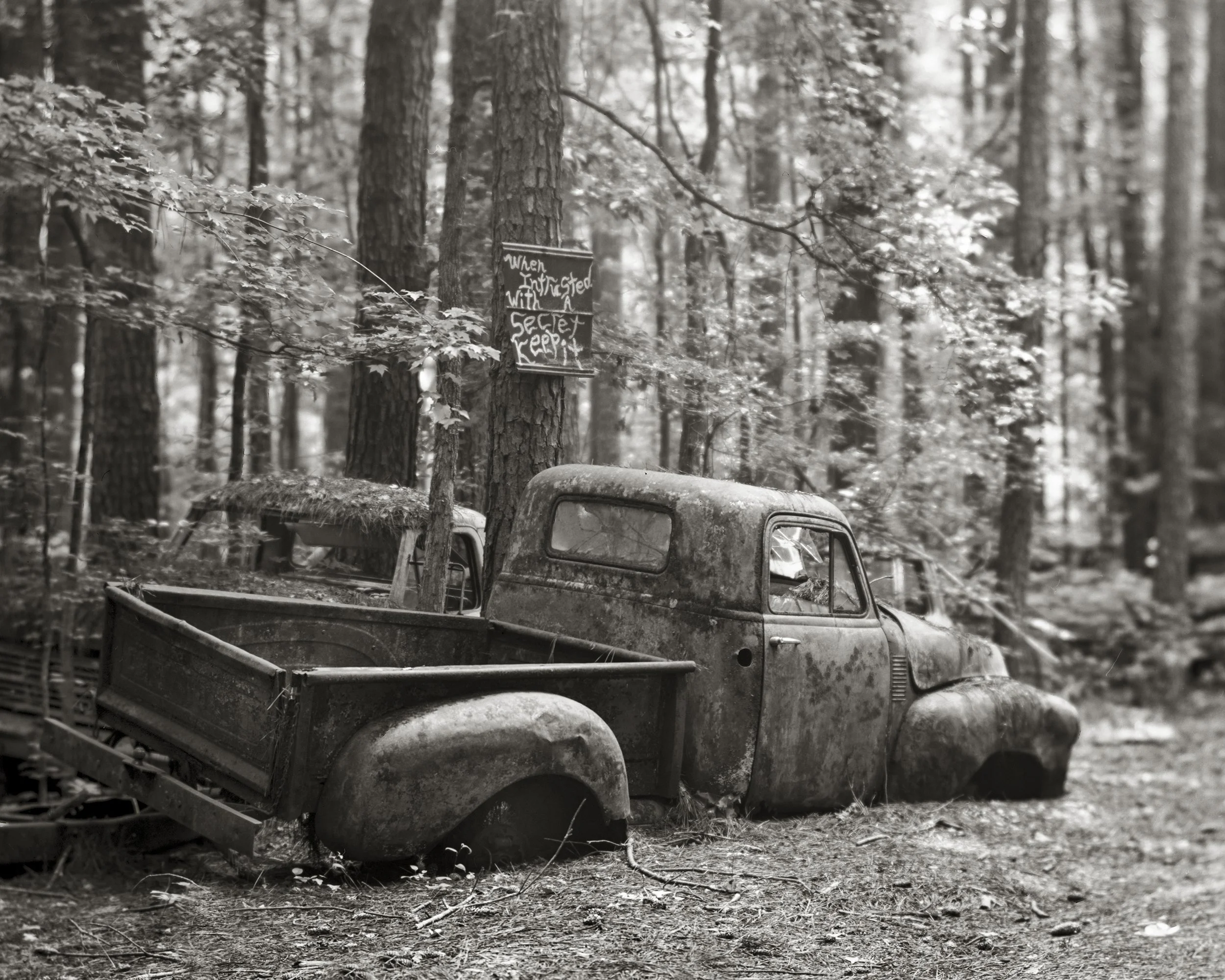
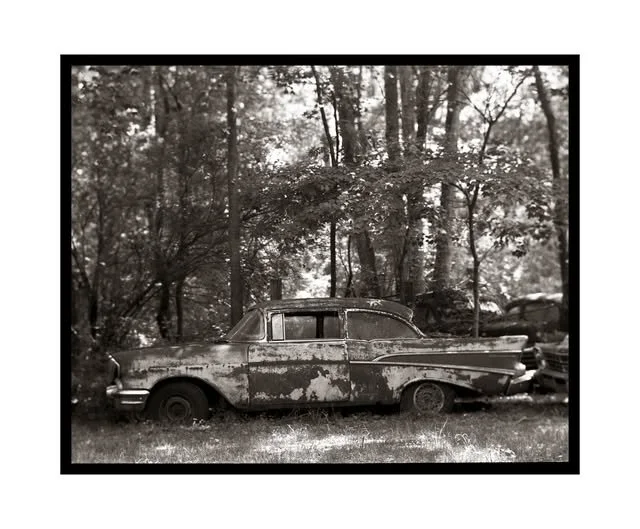
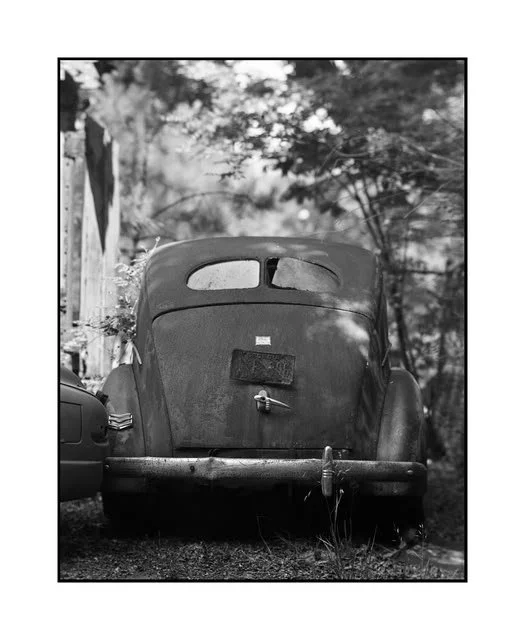
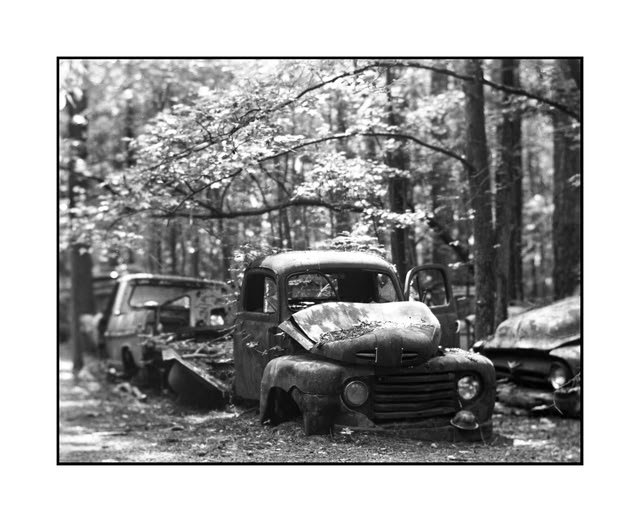
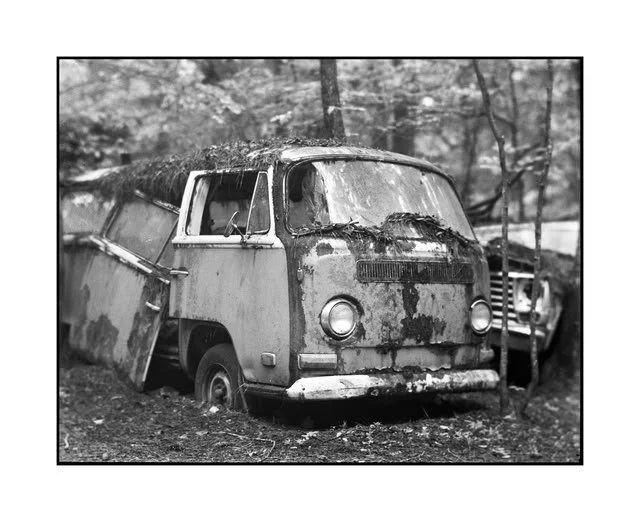
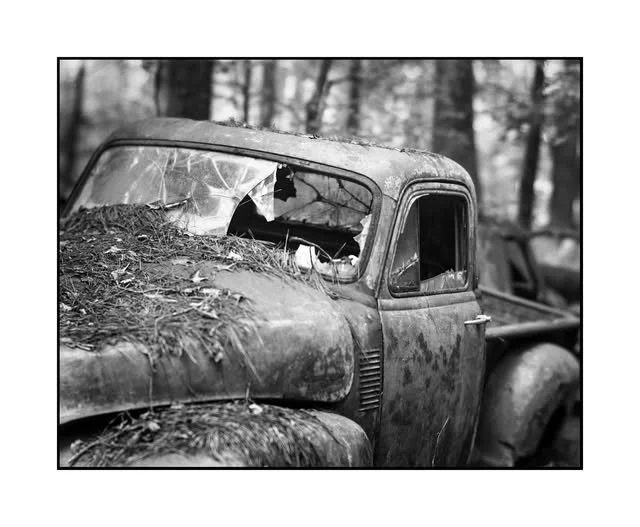
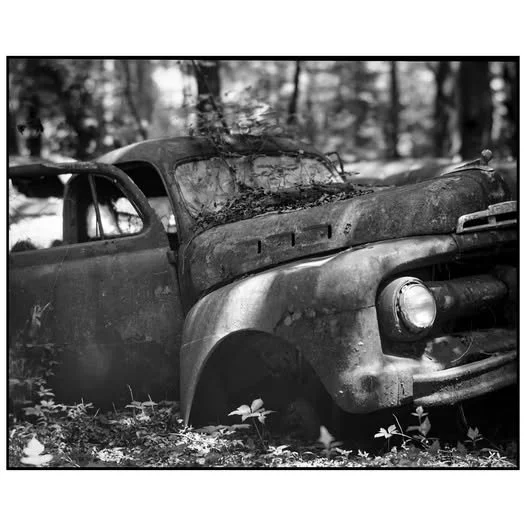
These black-and-white photographs explore the quiet passage of time through the textures of rust, decay, and nature's steady embrace. Once icons of freedom, travel, and adventure, these abandoned automobiles now rest in peaceful harmony with the surrounding forest. Captured at Old Car City in Georgia, this series reflects on the intersection of history and nature, where the remnants of the past are gradually reclaimed, revealing a quiet beauty that endures.
Print process : Archival Pigment
Print Size: 16×20in ( Set of 3,4 or 5)
Edition: Open Edition
Presentation: 8 ply archival matting
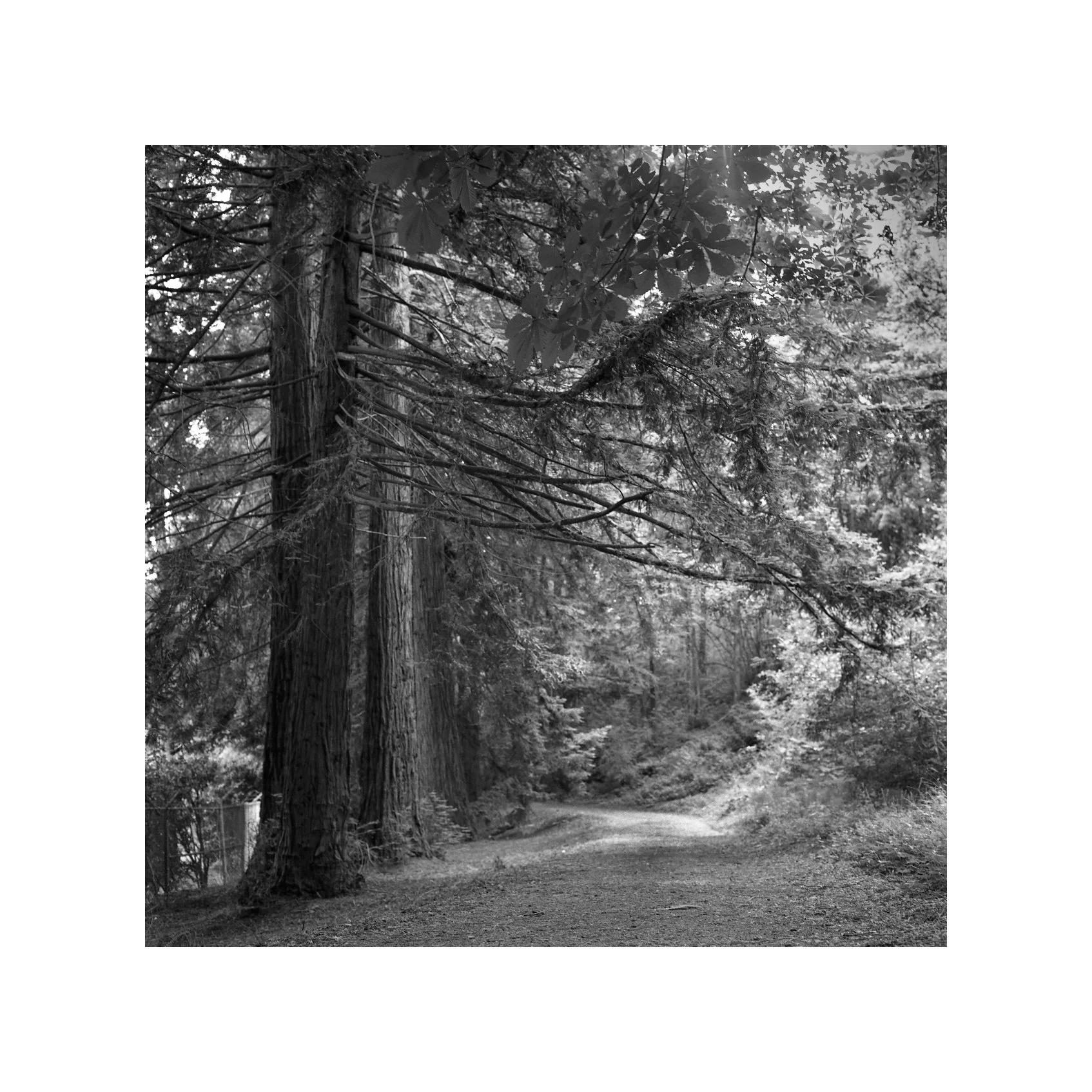
2. Collection: Spirit of the Redwood
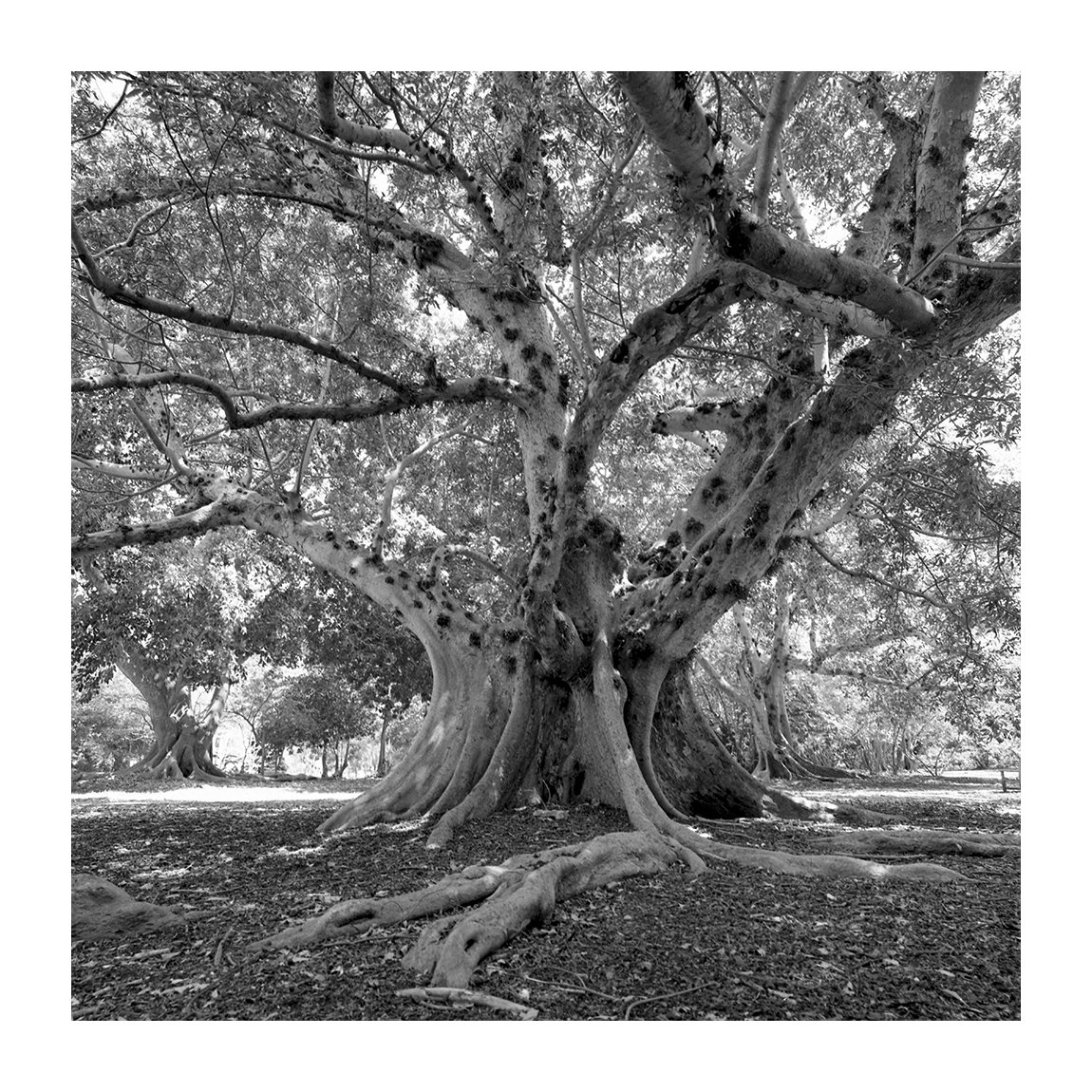
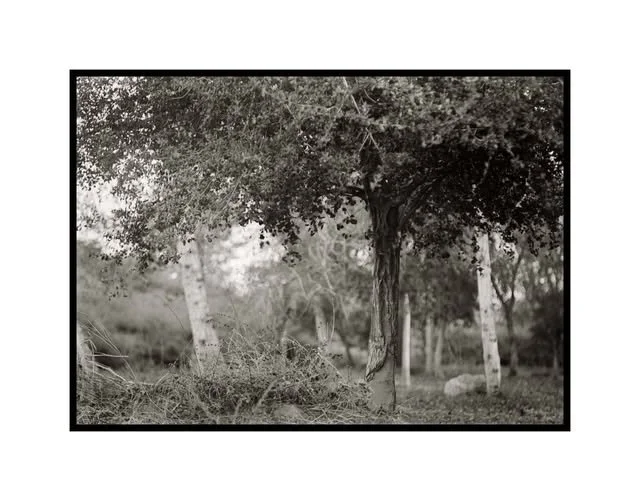
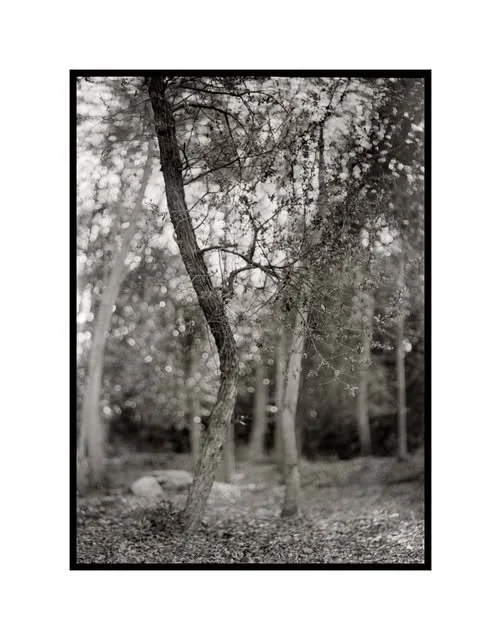
For as long as I can remember, I have been captivated by the ancient redwoods. Their immense beauty, quiet strength, and enduring presence inspire a profound sense of wonder. These majestic trees have stood for centuries, witnessing generations come and go, and they will likely continue to thrive long after we are gone.
During my recent visit, I experienced them in a way I never had before. Walking among these towering giants, I became aware of their unique personalities and silent resilience. Each tree seemed to possess its own spirit, revealed through the subtle movement of its branches and the gentle whispers of the wind. Their presence was both humbling and deeply moving.
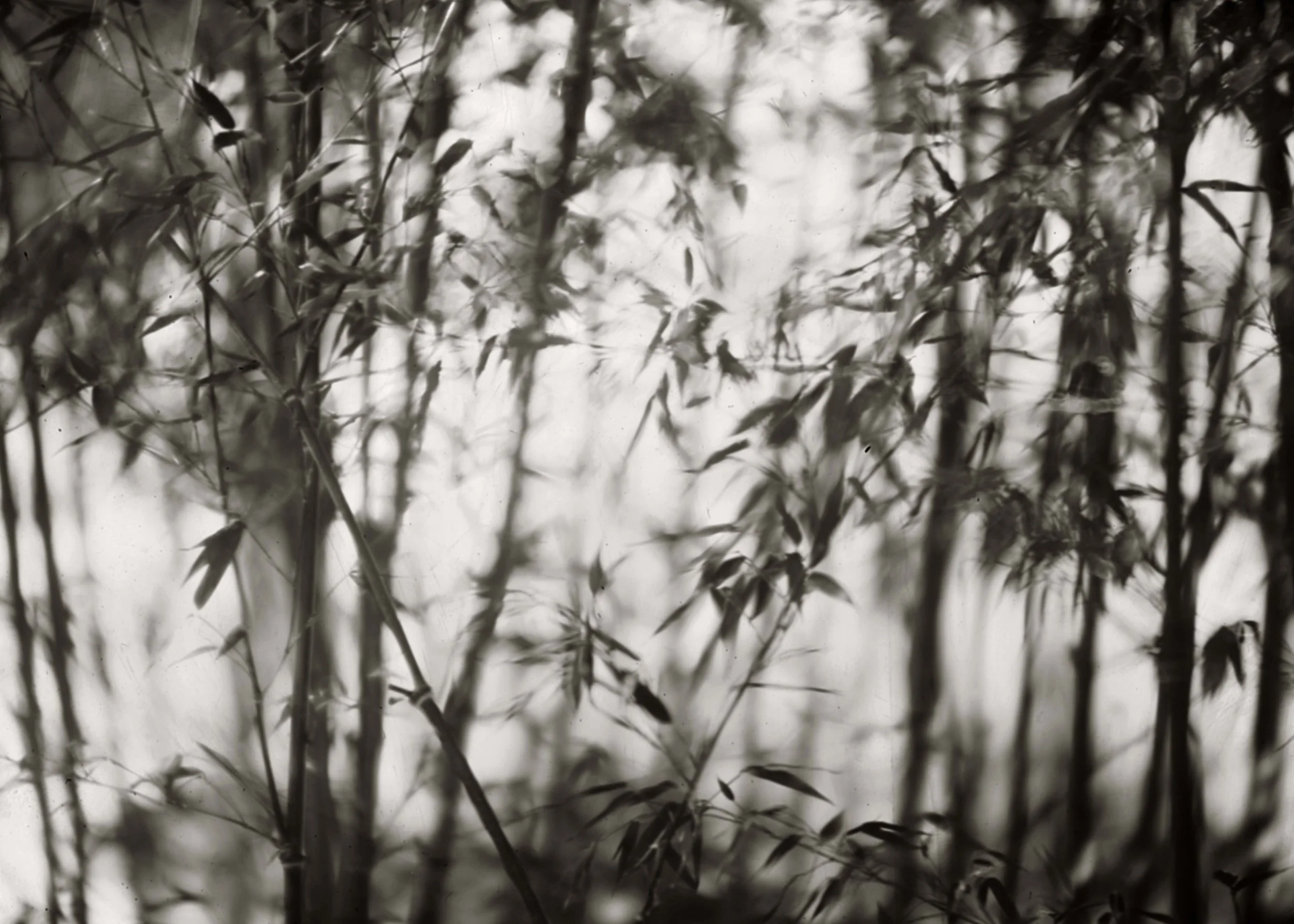
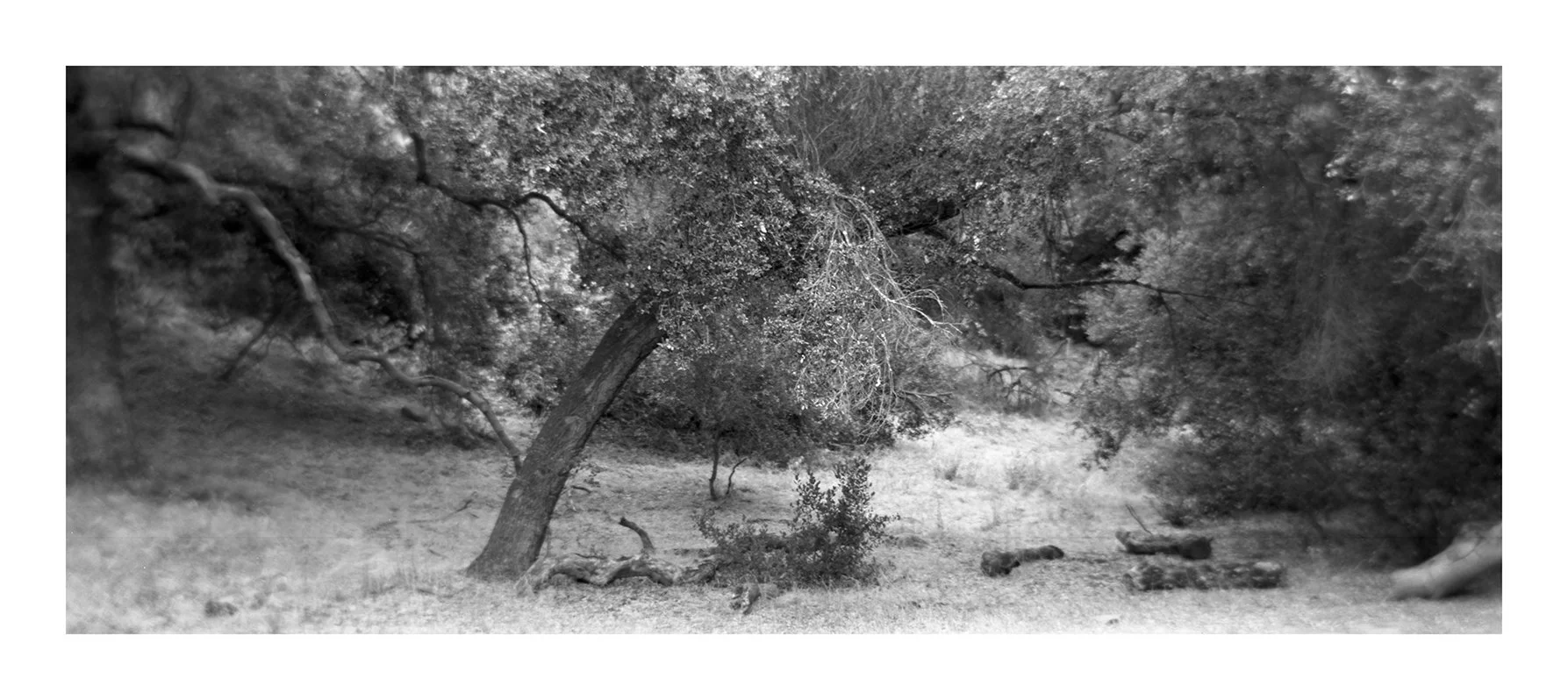
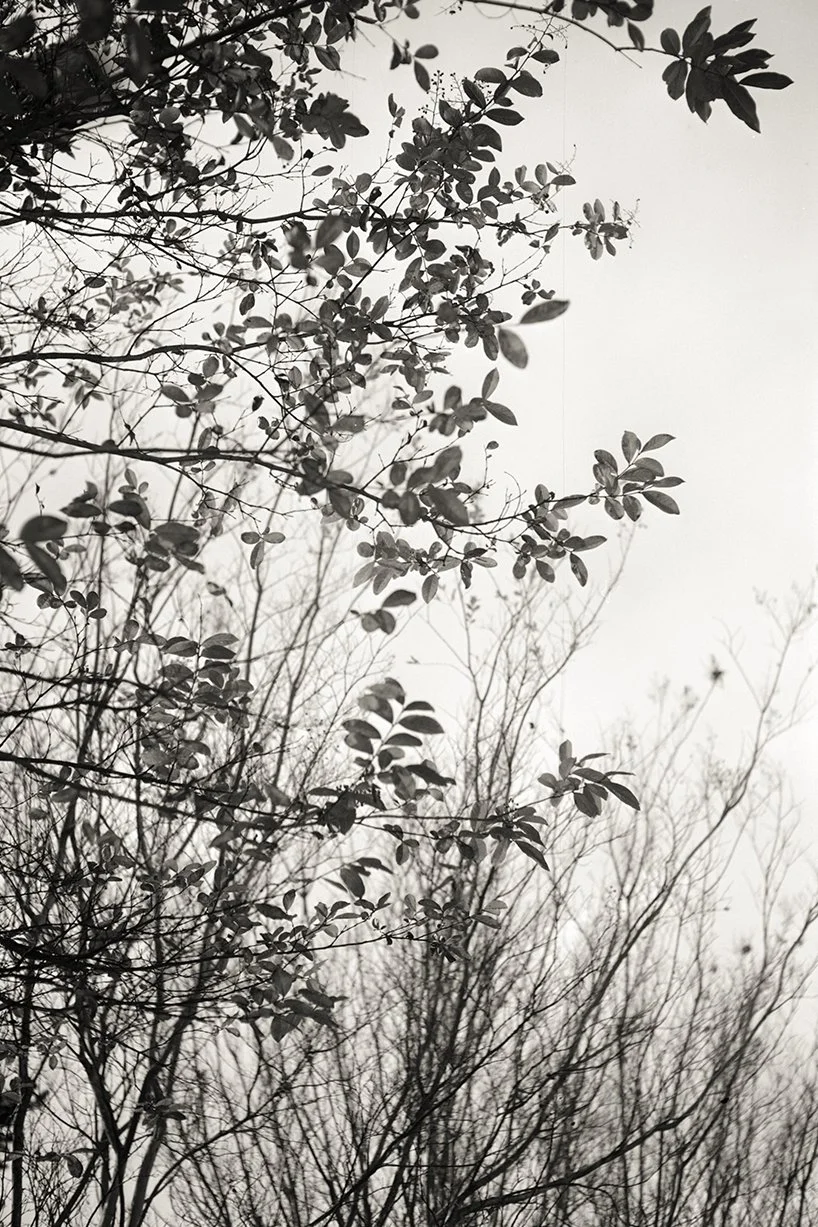
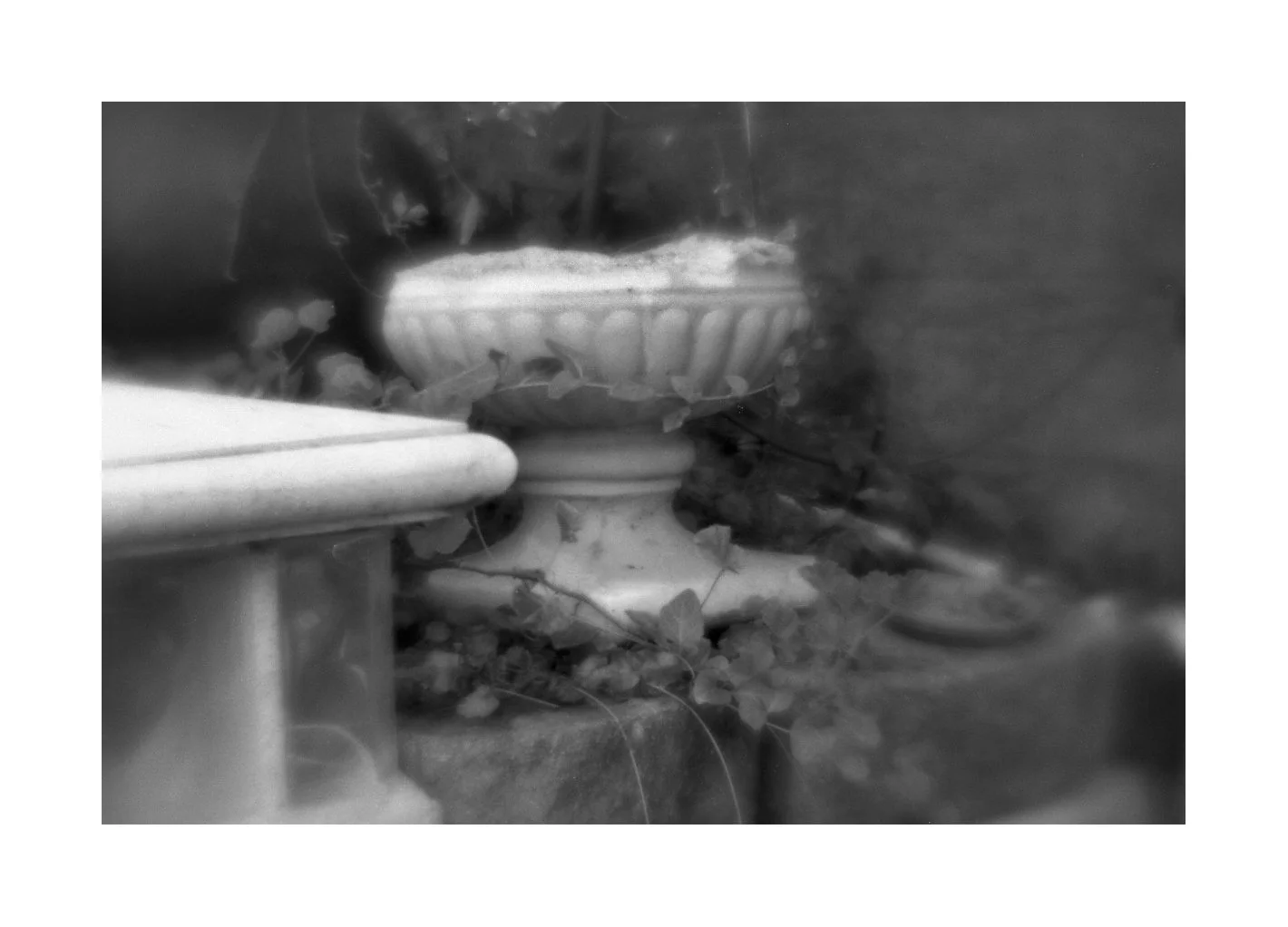
Using vintage Karl Struss soft-focus lenses and embracing the changing qualities of natural light, I created these images to capture more than the visual beauty of the redwoods. My intention is to convey their timeless character, quiet dignity, and the reverence they inspire. Through this collection, I hope viewers will not only appreciate these extraordinary trees but also recognize them as living monuments—keepers of history whose strength and grace remind us of our connection to the natural world.
Print process : Silver gelatin warm tone fiber base.
Print Size: 16×20in ( Set of 7)
Edition: Limited
Presentation: 8 ply archival matting
3.Collection: A whisper of Spring
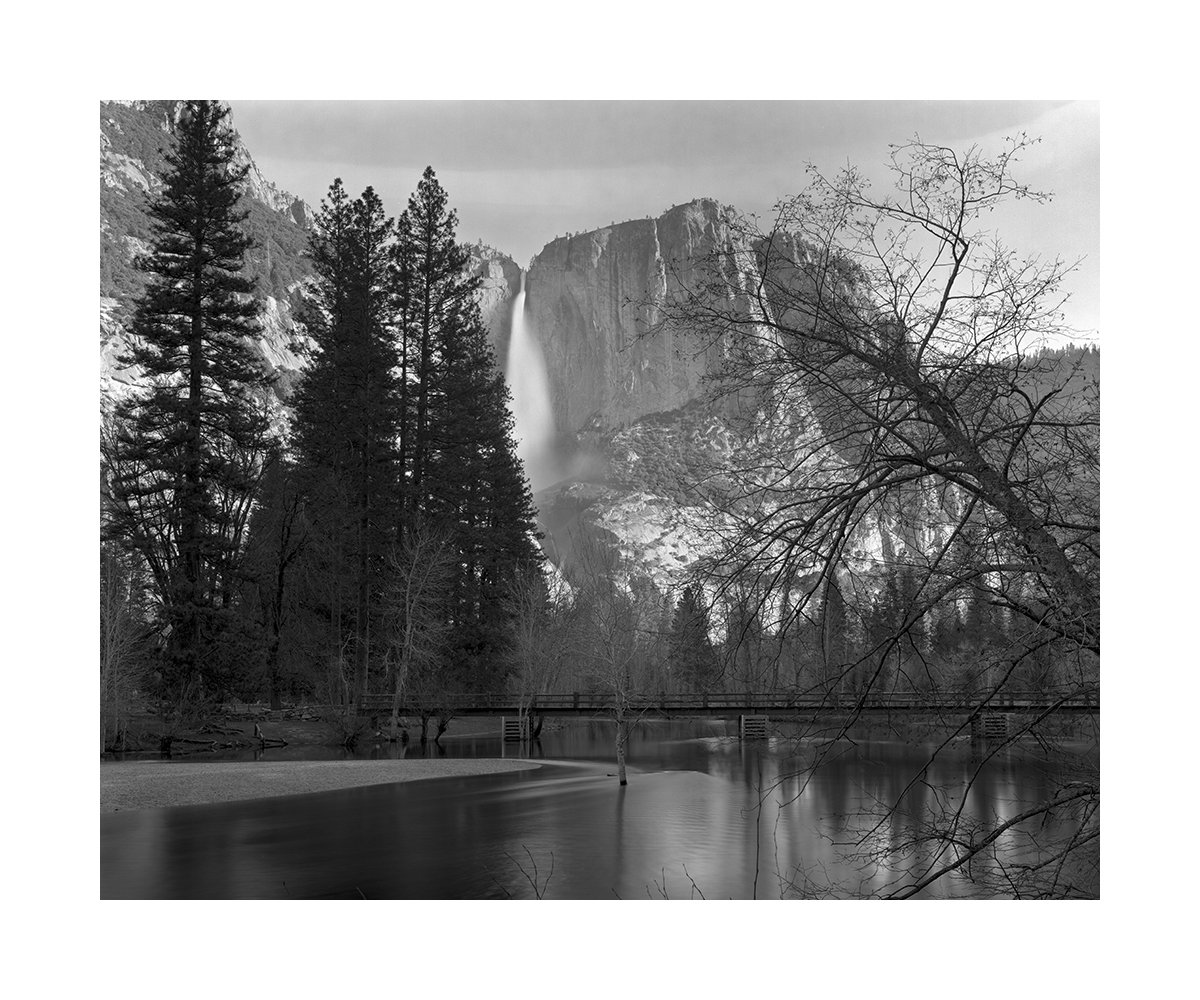
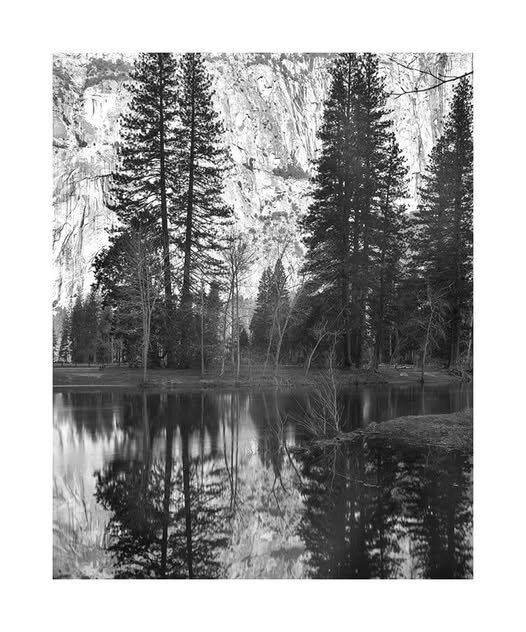
While Yosemite is renowned for its soaring granite cliffs and ancient forests, the dogwood flower reveals another side of the park—one of quiet beauty, resilience, and renewal. Its delicate petals remind us that even the smallest wonders deserve our attention.
Print process : Platinum print
Print Size: 8×10in ( Set of 3)
Edition: Limited
Presentation: 8 ply archival matting
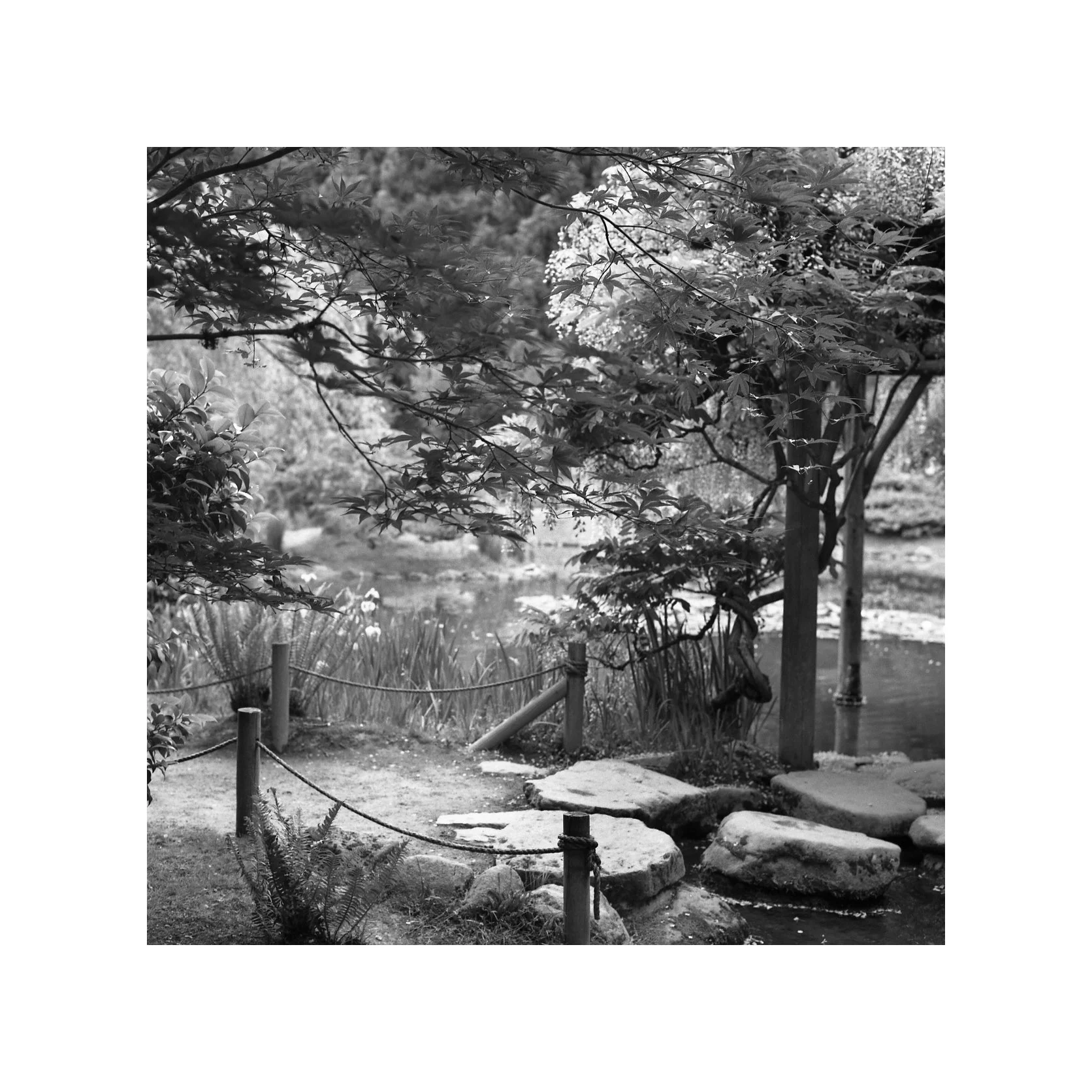
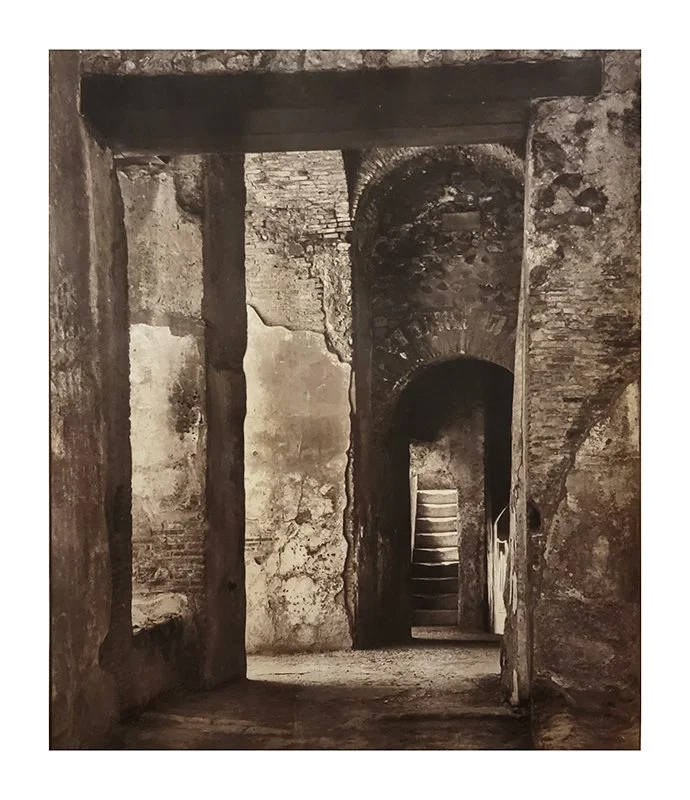
Most of my new work is created using traditional and contemporary photographic processes, including silver gelatin, platinum, carbon transfer, and salt printing. Some images are also produced as archival pigment prints, depending on the characteristics and requirements of the original negatives. For my large-format negatives, many of these works are created through contact printing, preserving the finest detail, tonal depth, and unique character of the original image. Smaller negatives are often printed using silver gelatin or archival pigment processes to achieve exceptional quality and longevity.
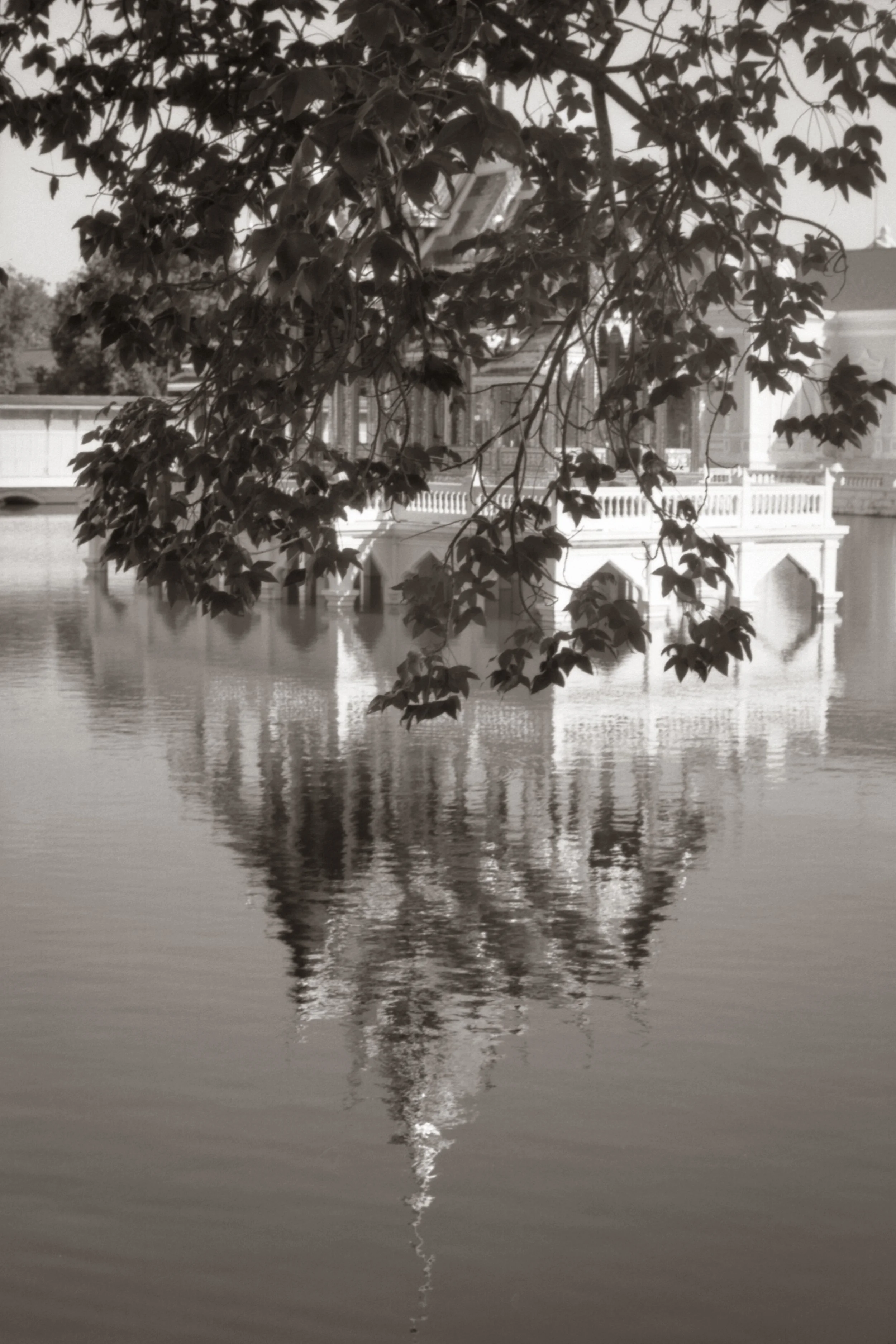
The images featured throughout this website showcase a selection of handcrafted alternative photographic processes, including Platinum, Carbon Transfer, and Salt Prints. Each process offers its own unique beauty, character, and timeless artistic expression.
*Platinum Printing
Platinum printing is one of the finest and most permanent photographic processes. Crafted by hand using pure platinum—a precious metal—each print offers exceptional tonal range, exquisite detail, and a rich matte finish. Printed on archival fine art paper, every piece is individually made to create a timeless, museum-quality work of art designed to last for generations.
*Carbon Transfer Printing
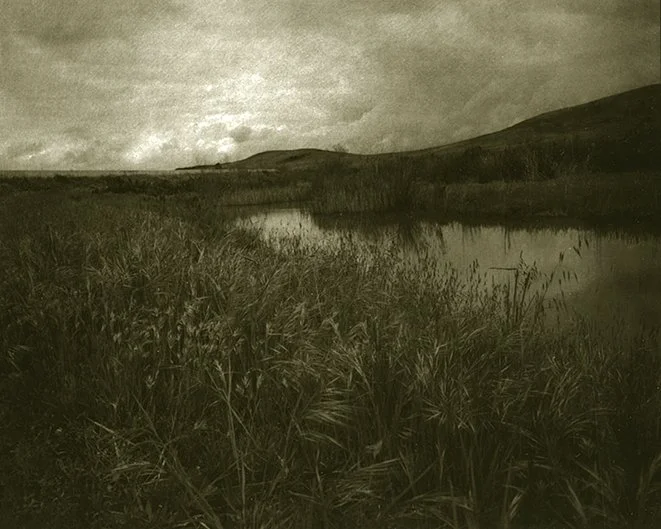
Carbon transfer printing is a handcrafted photographic process celebrated for its extraordinary tonal richness, archival permanence, and unmatched depth. Created with archival pigment suspended in gelatin, each print reveals deep blacks, luminous highlights, and a striking three-dimensional quality that gives the image exceptional presence. Every print is individually crafted, making each piece truly unique.
*Salt Printing
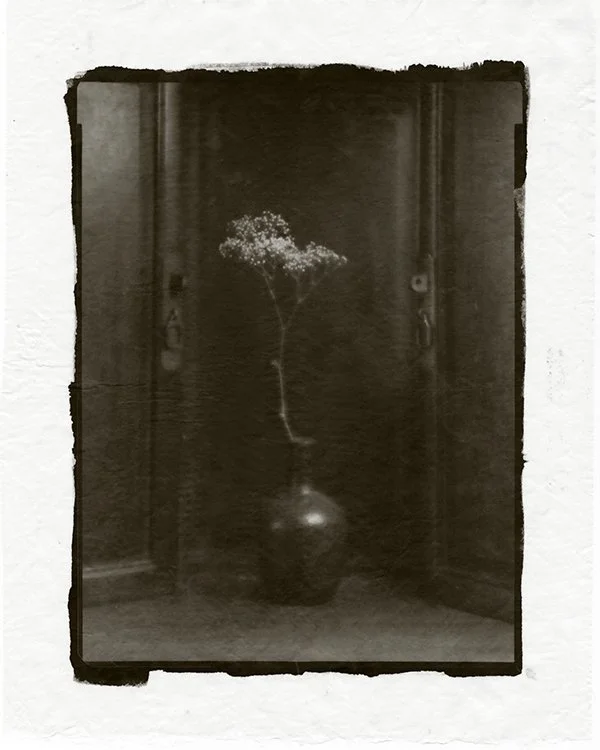
Salt printing is the earliest photographic printing process, prized for its delicate tonal range and timeless beauty. Handcrafted using light-sensitive silver salts on fine art paper, each print displays soft highlights, rich detail, and a warm, organic character. Every salt print is individually coated and printed by hand, making each one a unique expression of this historic photographic art.
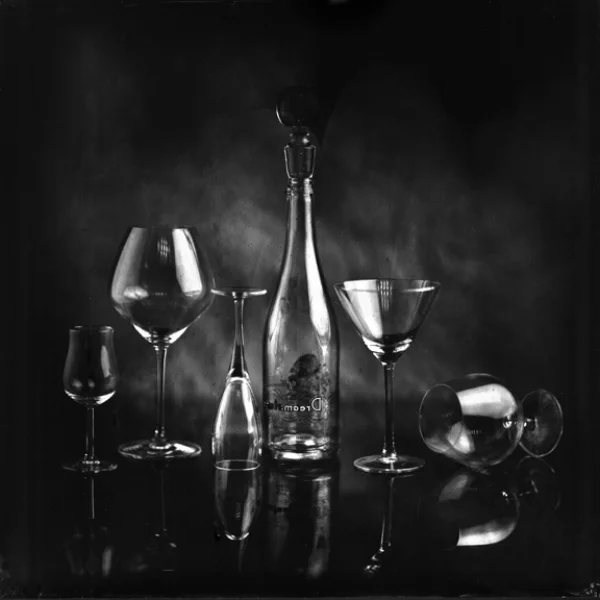
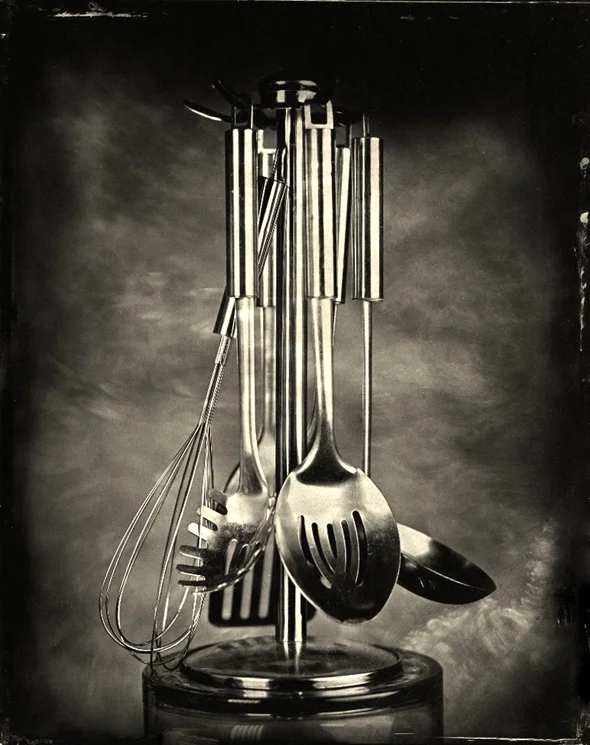
Ambrotype & Wet Plate Collection Each ambrotype and wet plate photograph is a unique, one-of-a-kind handmade piece created through the historic wet plate collodion process. These works are typically produced in large formats, including 5 × 7, 8 × 10, and 12 × 12 inches, capturing exceptional detail and a distinctive character that cannot be replicated. The collection includes traditional ambrotypes as well as unique variations such as color-stained glass ambrotypes and deep black onyx finishes. Tintypes are also available, each handcrafted with its own individual qualities and timeless appearance.
Ruby stained glass
Cobalt stained glass
Black Onix stained glass
Black Onix stained glass
Black Onix stained glass
Ruby stained glass
Black Onix stained glass
Black Onix stained glass
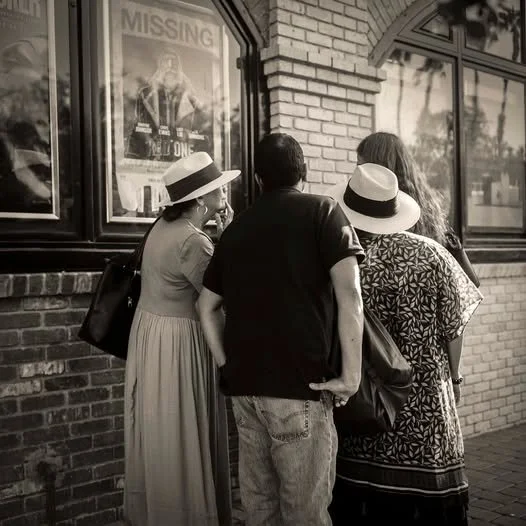
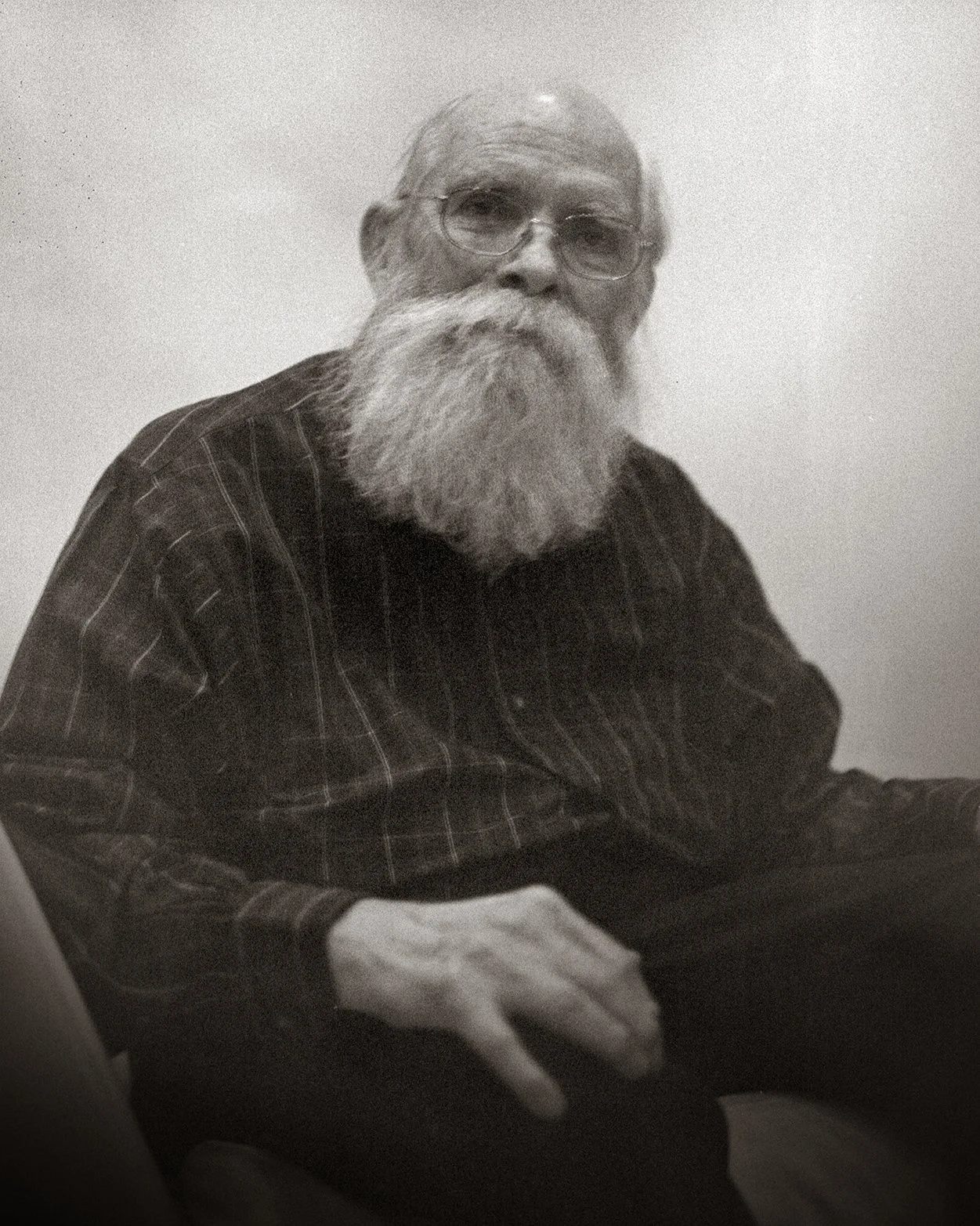
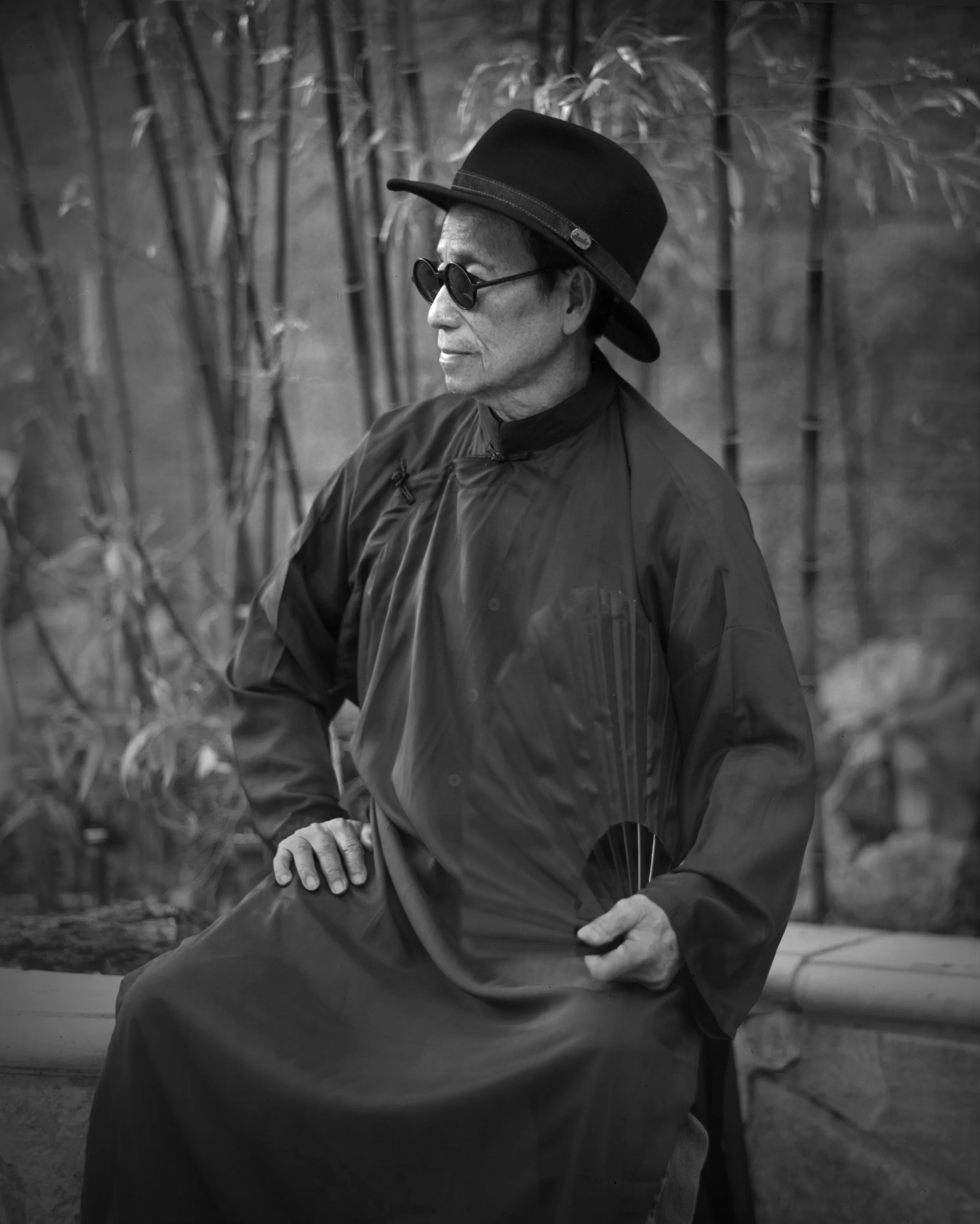
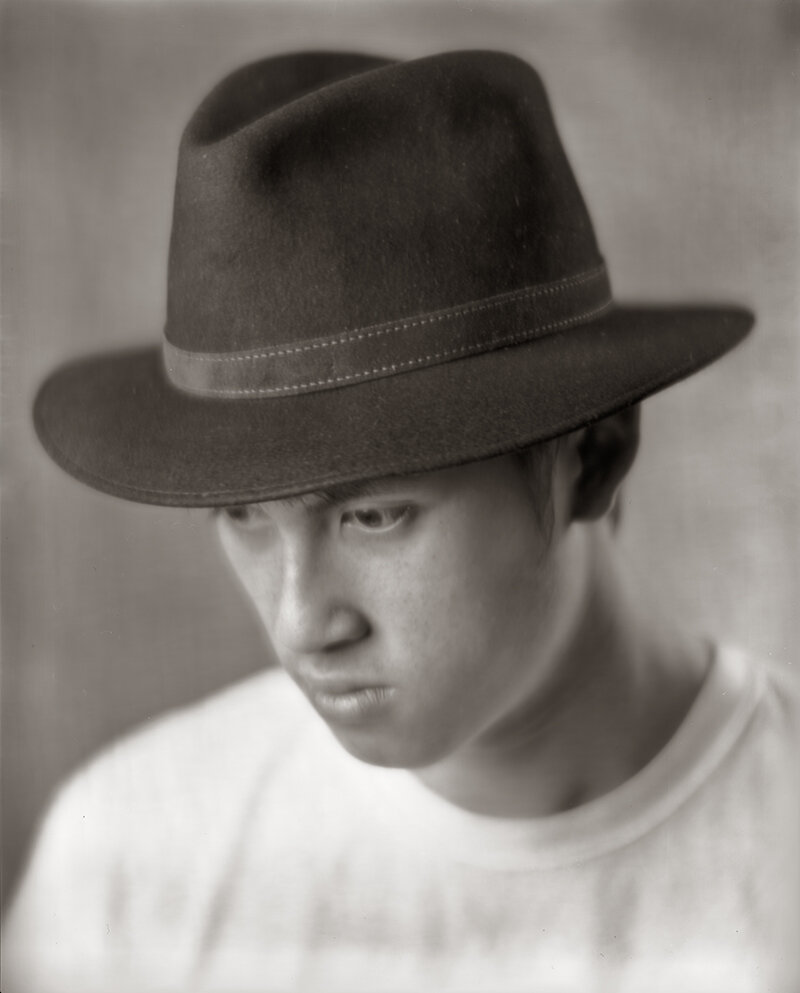
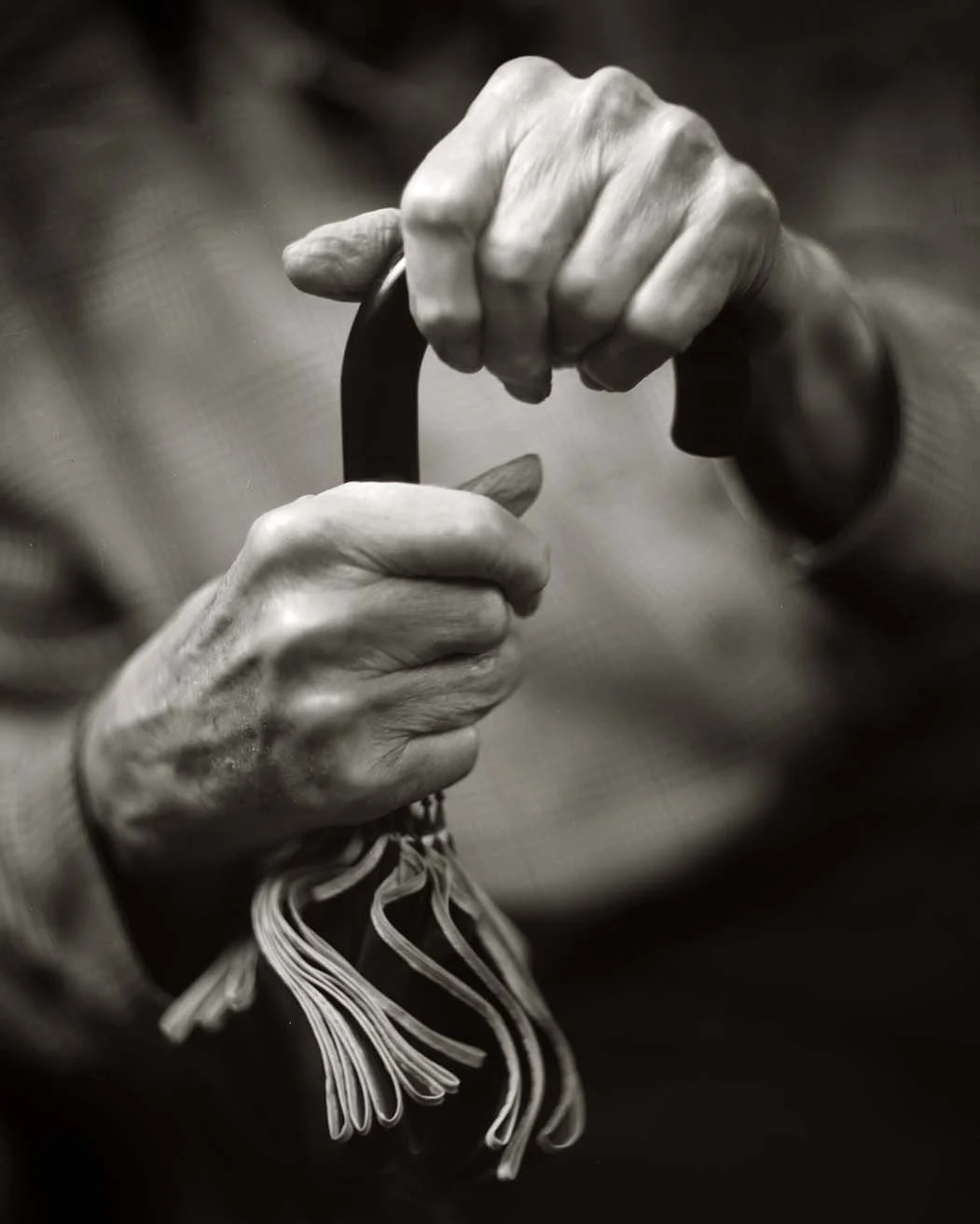
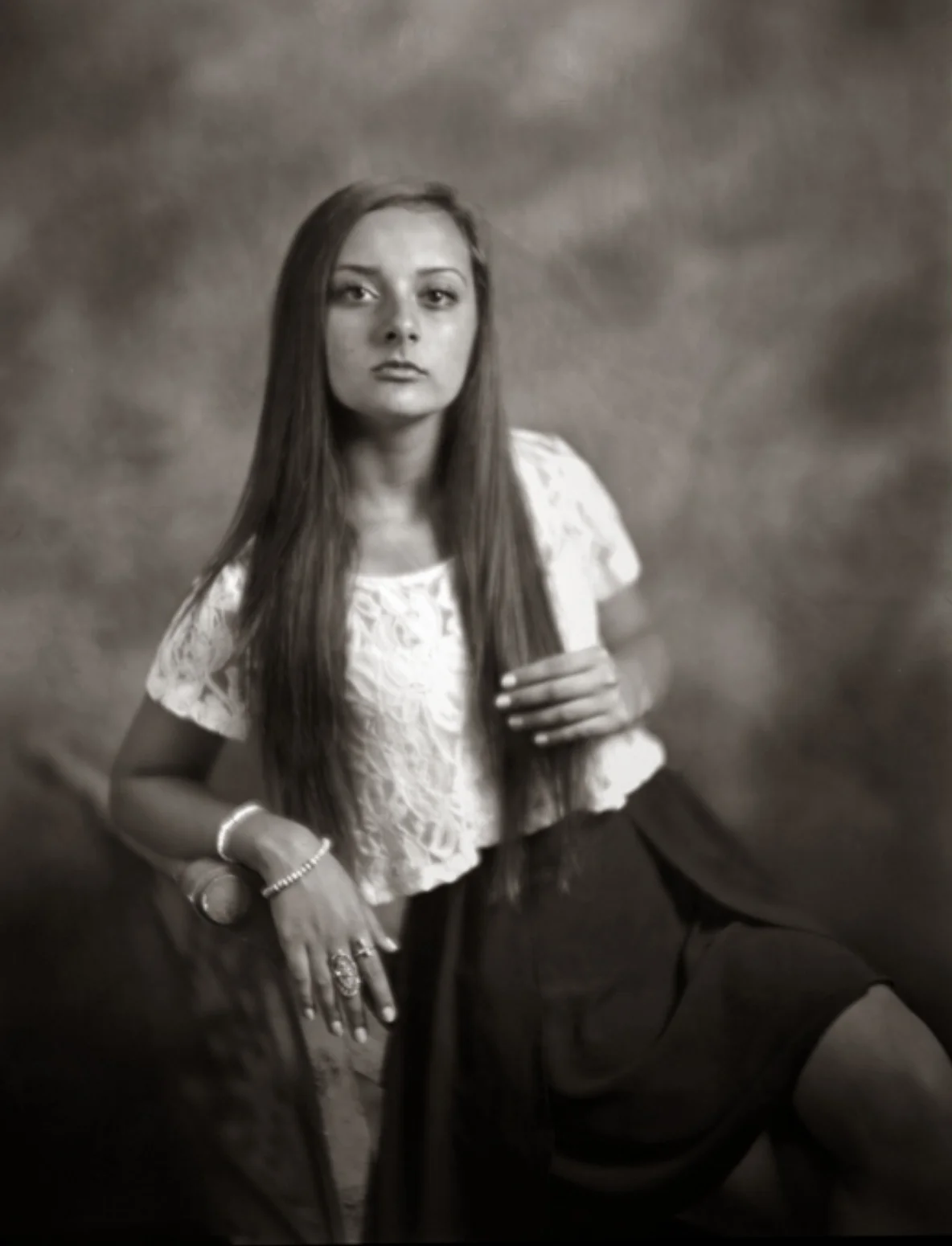
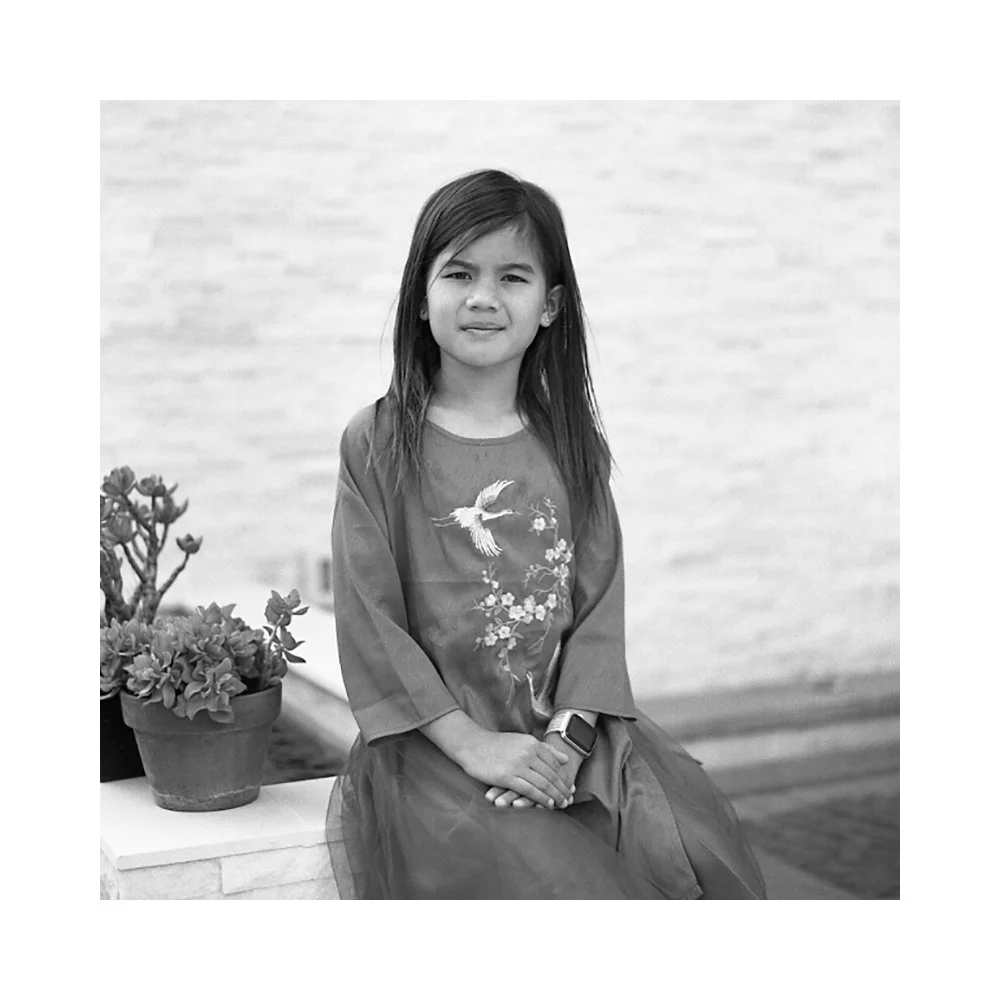
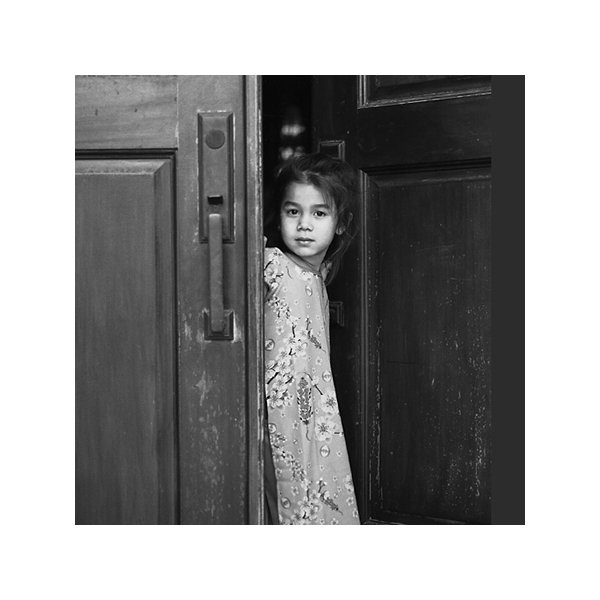
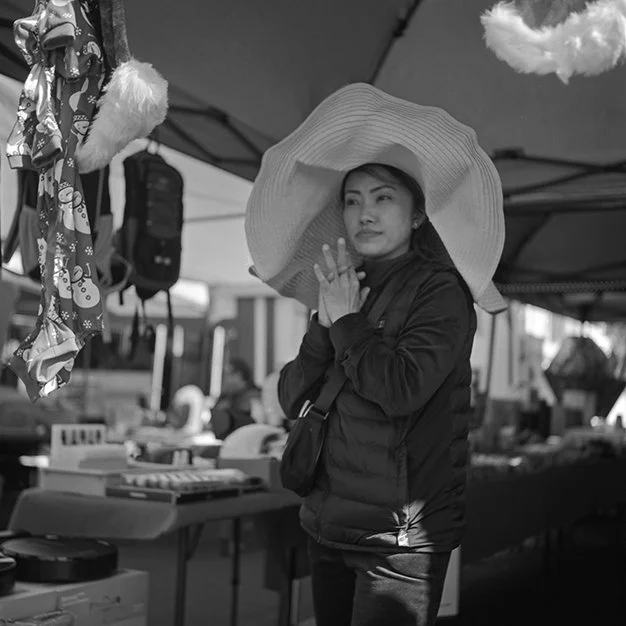
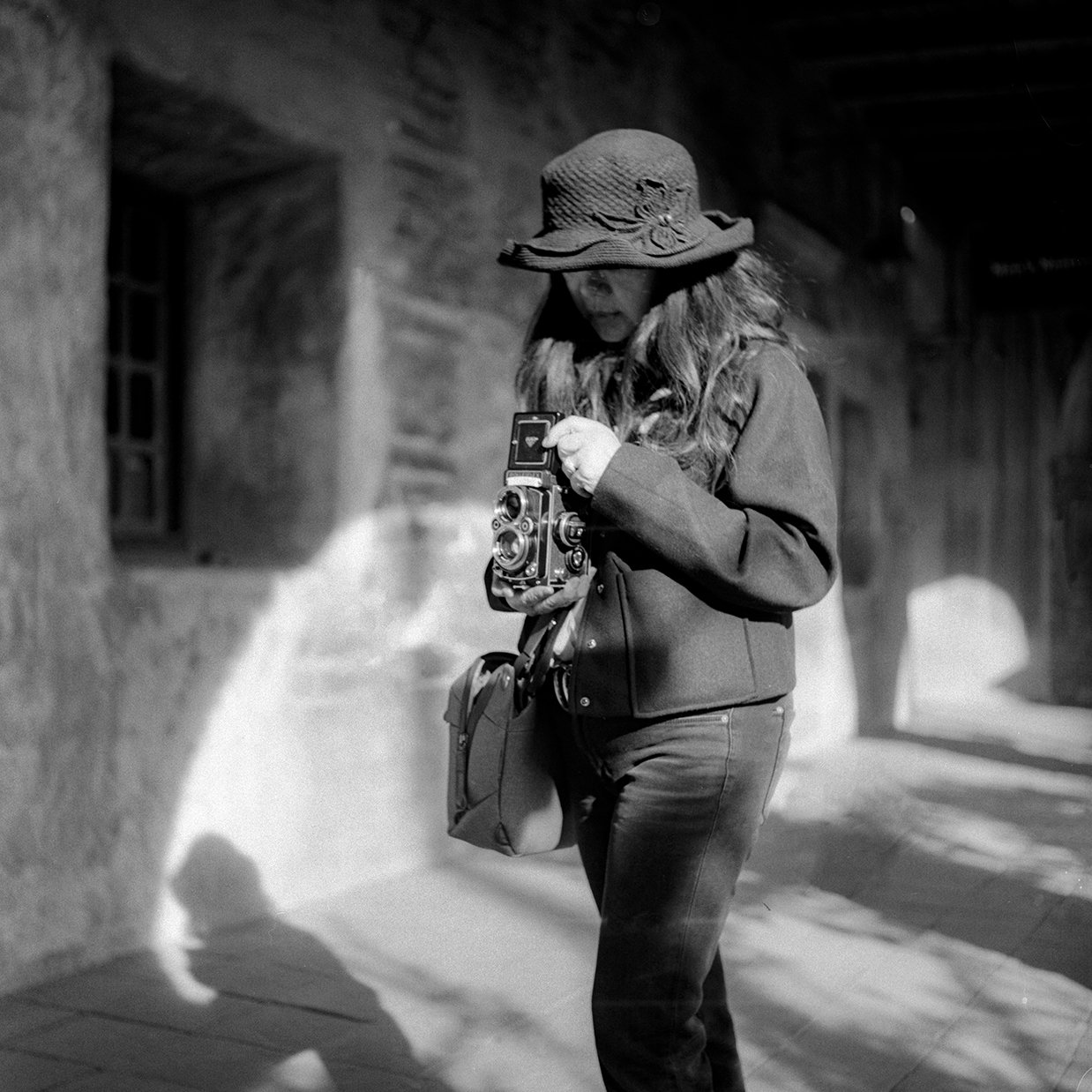
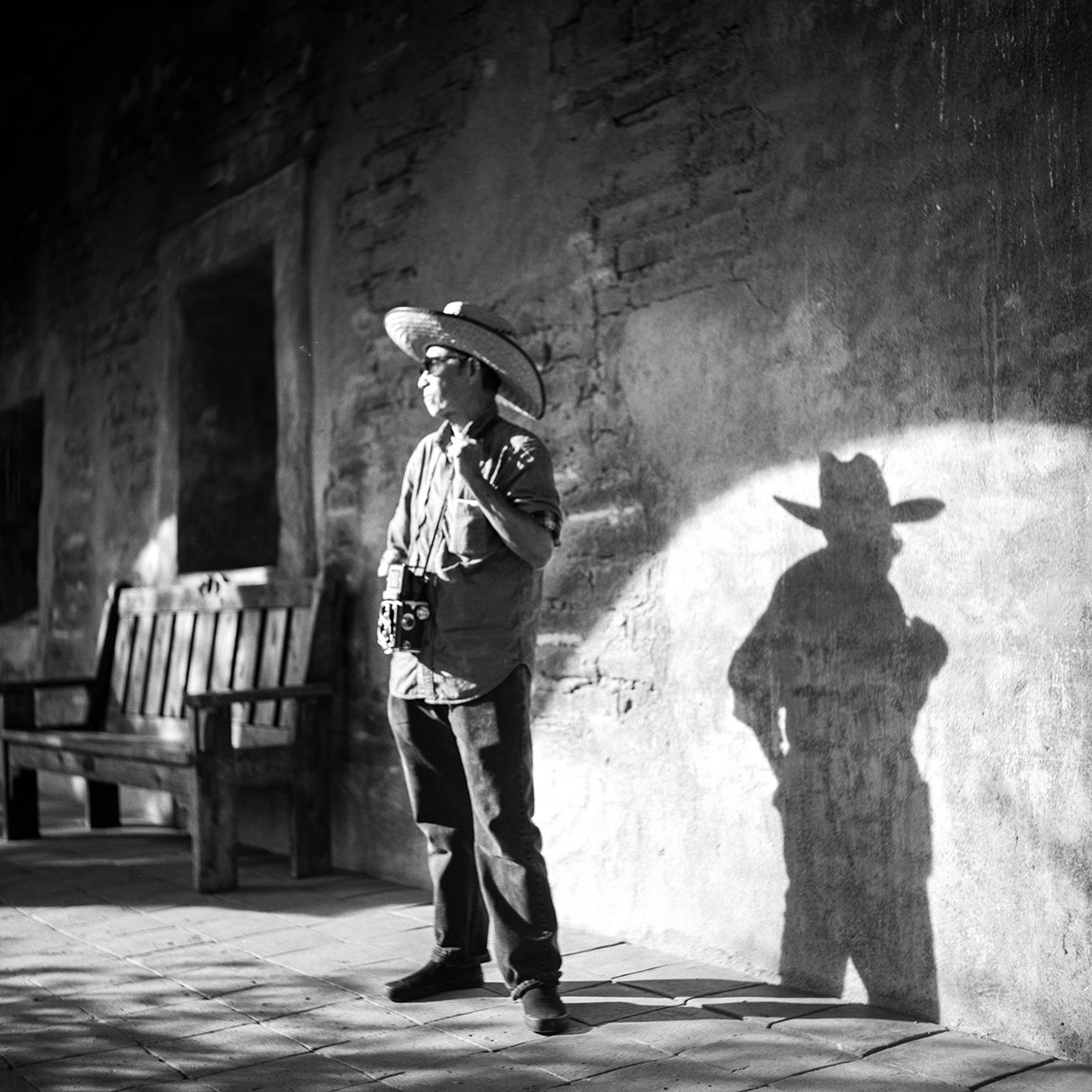
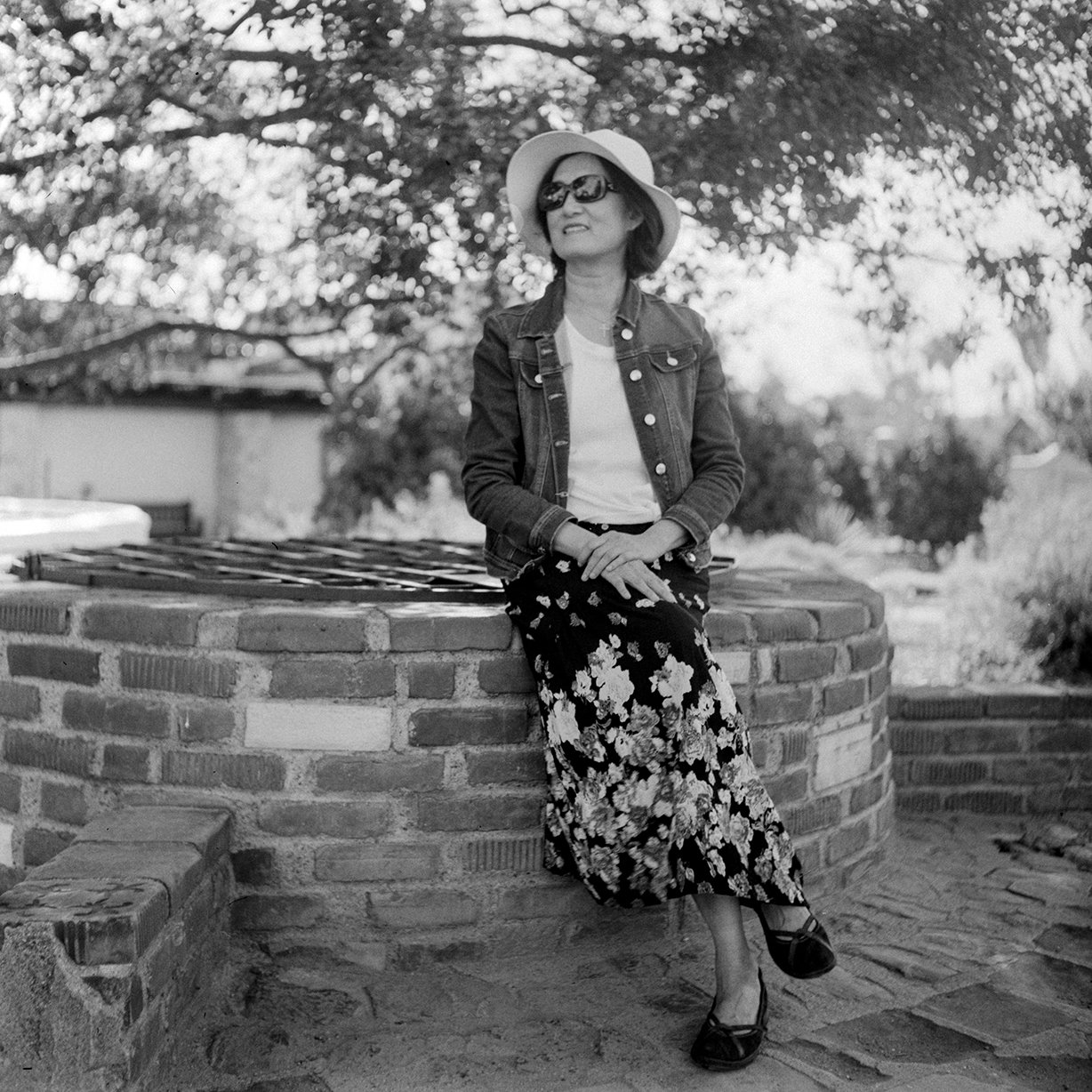
Friends & Family Portrait Collection Portrait photography has always been a meaningful part of my journey. I enjoy creating portraits for friends, family, and collectors—not only as a beautiful keepsake, but also as an opportunity to explore the unique character of different lenses and photographic approaches. Through these sessions, I can experiment with a variety of portrait lenses, from soft-focus dreamlike optics to classic Petzval designs and high-resolution sharp lenses. Each lens brings its own personality, rendering, and emotional quality to the final image. This collection represents special moments with family, friends, and clients who wish to preserve a timeless portrait—a personal piece of art and a lasting memory for generations to come.
Creative process: Images are captured on film using large format cameras, then scanned and a digital file is created. After digital processing using editing software for best resolution and tonality, the image is then printed using pigmented based ink. Pigment ink technology is used because of their proven decades long longevity. The print is placed on water color paper. Because of their longevity, the process is often called “archival” pigment printing.
Platinum prints are contact prints in which the final image is the same size as the negative. It is a completely hand-made process in which a platinum and palladium salt solution is brushed on a specially selected art paper. The negative is exposed to ultra violet light whereby the image is reduced back to a metallic state. It is then carried through a series of cleaning baths. The finished print that emerges from the final bath consists of particles of precious metals permanently embedded in the fibers of the print paper. To create a luminous velvety appearance, the finish print is placed on knife thin 24 carat gold leaf on vellum paper. This unique process combined century old print processing with the creativity of modern art.
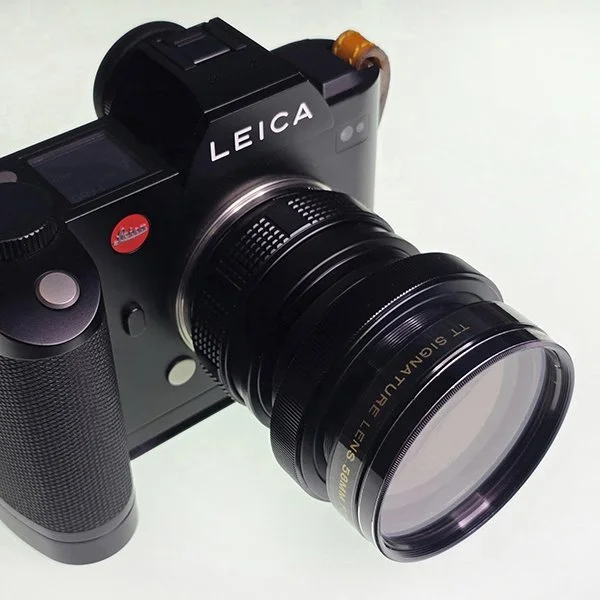
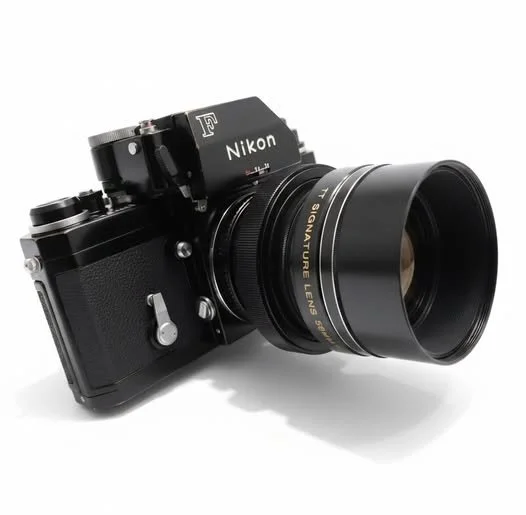
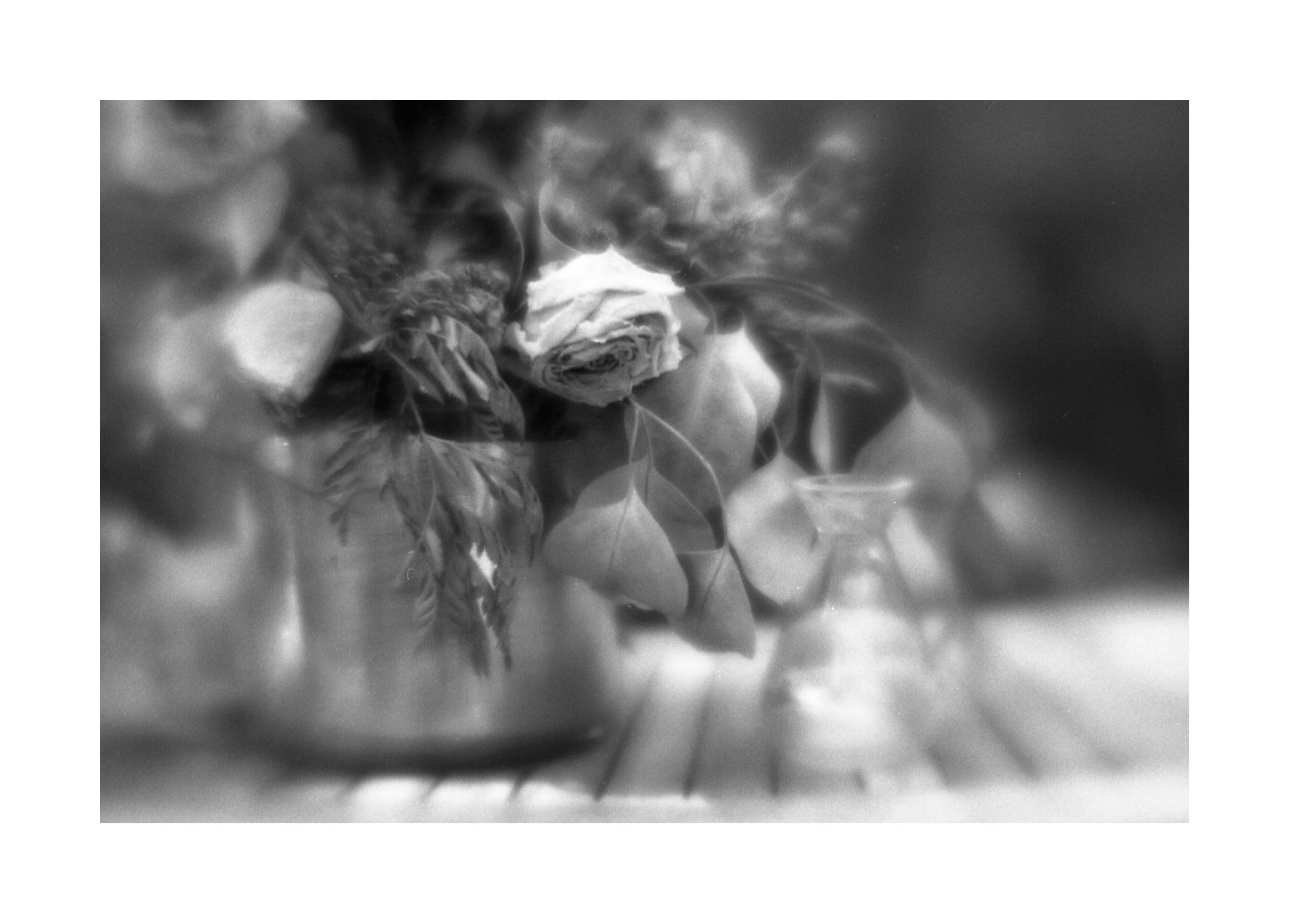
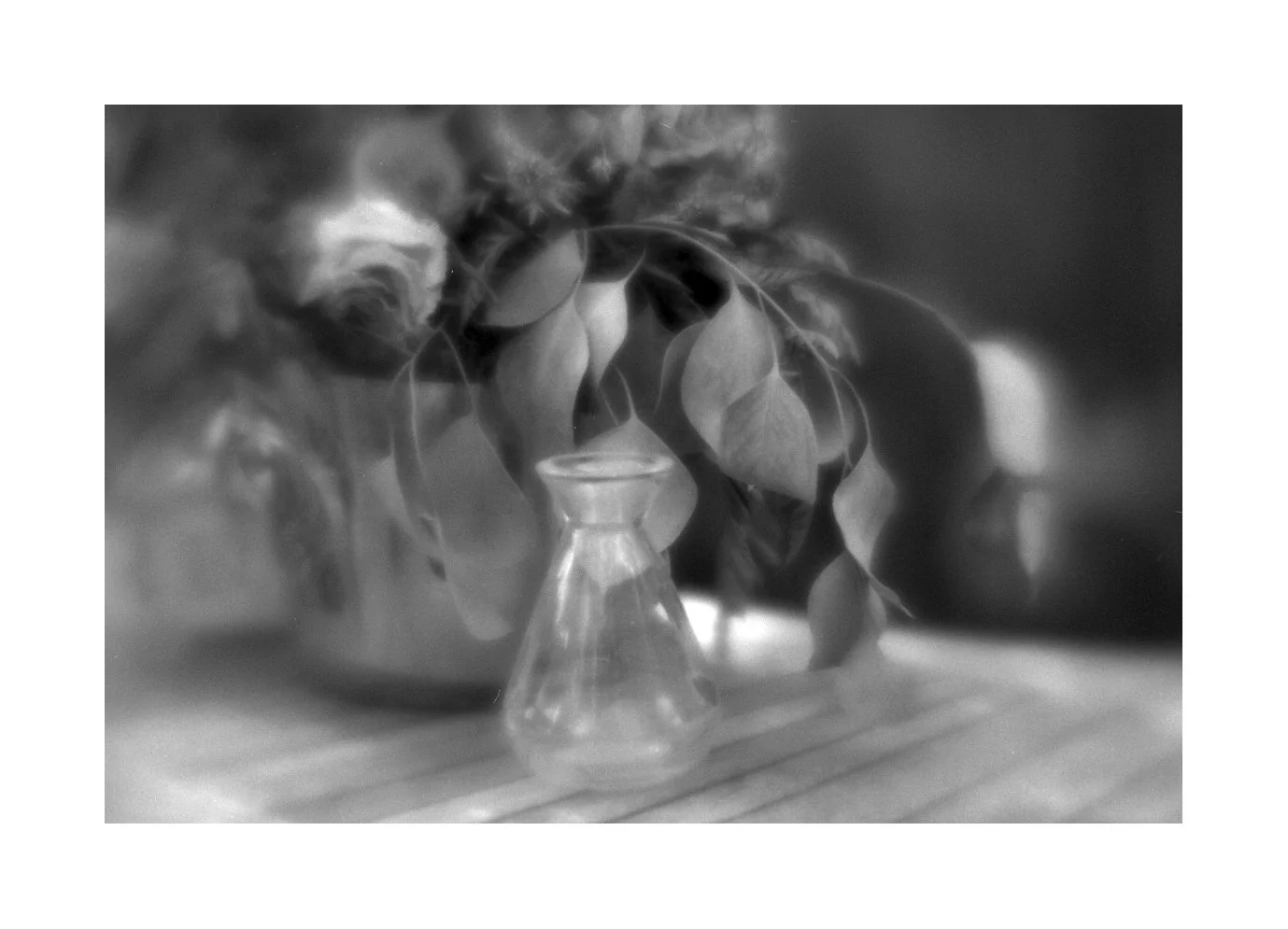
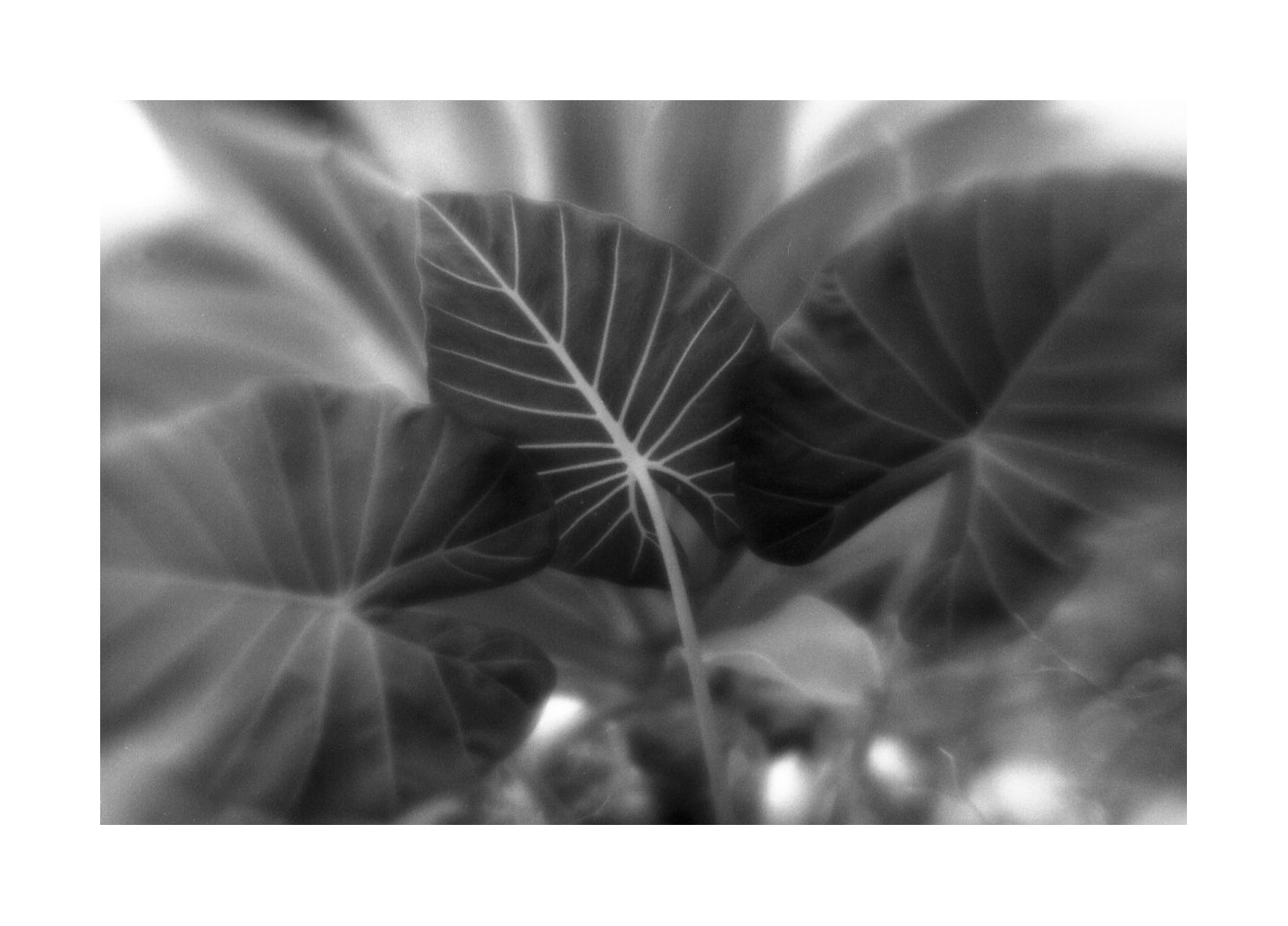
Introducing my new TT Signature 58mm f/1.4 Dreamland Soft Focus Lens.
Designed for 35mm film, full-frame digital cameras, Leica systems, and cinematography, this lens offers a level of creative control rarely found in traditional soft focus lenses.
Unlike conventional soft focus designs, the TT Signature 58mm f/1.4 lets you control the character of the image—from soft and dreamy to surprisingly sharp—while independently shaping the highlight glow to match your artistic vision.
Every lens is handcrafted to create timeless, expressive images with a unique signature look that can't be replicated by digital filters.
TT Signature 58mm f/1.4 — Crafted for artists. Built for Dreamland.
The Art of Sea Salt Printmaking
Pigmented gelatin is transferred onto a paper support call the Tissue. The tissue is suspended dried, made contact with the negative, then exposed to UV light. The product goes through stages of immersion in cold and warm water to activate the gelatin. After the gelatin is cleared, the image that is remained on the paper has a 3 D effect. Depending on the size, a complete process for each print takes about a week.
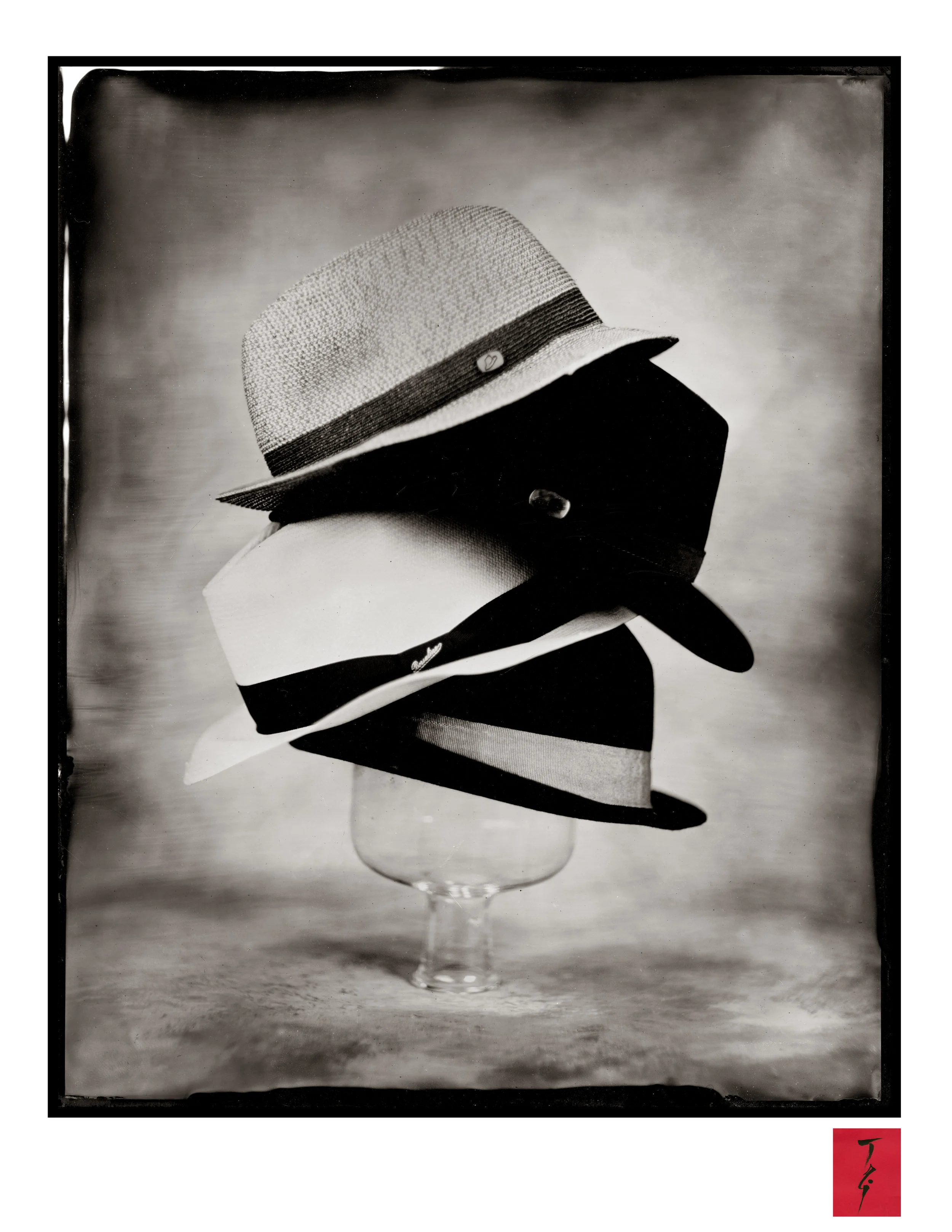
Wetplate Collodion Process was the predominate photographic medium utilized during the Civil War and was popular from 1850’s to 1880’s. Tintypes are unique images on blackened iron (or in this case, aluminum) that are totally handcrafted. Collodion is poured onto the metal plate, immersed in Silver Nitrate and photographed while wet. The final image is then dipped in Cyanide to fix, washed and varnished according to the original formulas. The resulting image is a unique, one of a kind image that is truly one of the special processes in the history of photography.